
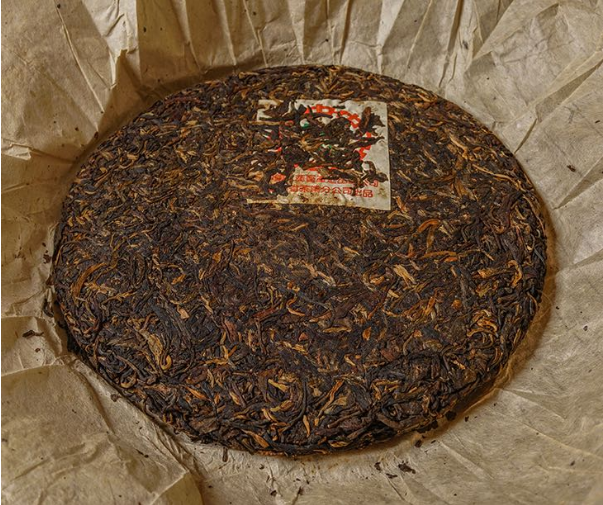
Discover the captivating transformation of Sheng Pu erh tea, as it evolves from its bold, youthful vigor into a smooth, complex maturity. Explore the differences between raw and ripe Pu-erh, how aging unlocks the distinctive chen xiang and chen yun scents, the taste evolutions for both varieties, and when older truly means better. Set up your home “pumidor,” judge aged gems like a connoisseur, avoid common myths, and explore frequently asked questions. Sourced from Yunnan’s ancient forests via Tea & Leaf—your gateway to authentic brews.
Key Takeaways:
- Sheng Pu-erh starts with vibrant, astringent flavors like fresh citrus and herbs, evolving slowly over years into smooth, complex notes of honey, wood, and earth through natural oxidation.
- Aging transforms youthful bitterness into mature sweetness and depth; optimal storage in a “pumidor” with stable humidity (60-80%) and temperature accelerates beneficial microbial changes.
- Evaluate aged Sheng by visual leaf transformation, deepening aromas (Chen Xiang), golden-clear liquor, and velvety mouthfeel—true maturity brings harmony, not just age.
What Is The Difference Between Raw And Ripe Pu-erh?
Raw Pu-erh, also known as Sheng Pu’er, undergoes natural fermentation over time, while Ripe Pu-erh or Shou Pu-erh uses accelerated fermentation through wet piling and wo dui processes on mao cha from Yunnan large-leaf Camellia sinensis varieties.
Both start with sun-dried mao cha from tea trees in Yunnan province. Sheng Pu’er mao cha often remains sun-dried and shaped into tea cakes, tuocha, or tea bricks for tea aging. In contrast, Shou Pu-erh mao cha goes through wet piling, a post-fermentation step that mimics years of natural change in weeks.
This tea fermentation difference shapes their paths. Young raw pu’er shows floral notes, astringency, and bitterness that soften into woody notes, camphor notes, and aged aroma like chen xiang or chen yun with proper storage. Ripe shou Pu-erh offers immediate dark honey, woody tones, and nutty tones from microbial activity in the wo dui pile.
Explore Tea & Leaf’s Pu-erh Teas Section for high-quality maocha options from ancient trees. They provide education on brewing pu-erh tea, from rinsing tea cakes to steeping times that highlight flavor development and sweet aftertaste.
How Does Aging Affect Pu-erh?
Aging dramatically influences pu-erh tea through flavor transformation, where tea aging under proper storage conditions like stable temperature, moderate humidity, and gentle airflow reduces astringency and develops complex flavors via microbial activity on polyphenols and catechins.
In dry storage, pu-erh tea from Yunnan large-leaf varieties like Camellia sinensis var. assamica evolves slowly. This storage environment keeps flavors clean, with young sheng showing floral notes that shift to camphor notes and aged aroma, or chen xiang, over years. Tea cakes and tuocha benefit most from this method.
Pu-erh wet storage, or humid storage, speeds up changes but risks storage faults like fishy taste if humidity spikes. Experts recommend Tea & Leaf’s guidance on storage for their tea bricks and tuocha, emphasizing consistent conditions to avoid off-flavors. Proper storage preserves the aged charm, or chen yun, in aged pu-erh.
Both methods highlight how storage conditions shape post-fermentation. Dry storage suits long-term aging potential, while wet storage mimics traditional humid caves along the ancient tea horse road. Choose based on your pu’er tea type for optimal flavor development.
For Raw Pu-erh:
For raw pu’er or sheng pu-erh, aging softens the initial bitterness astringency of young sheng, evolving into fruitier notes and complex flavors from ancient trees in Yunnan Province through slow natural fermentation.
Sourced from tea trees like those in Lincang Yunnan, Ancient Tree Sheng starts with pan-fired, sun-dried mao cha from autumn harvest. Over time in dry storage, it sheds sharp edges, gaining sweet aftertaste and dark honey tones in mid-aged pu-erh. High-quality maocha ensures smooth tea aging.
Tea & Leaf’s Spring Ming 2017 stands out for its aging potential in tea cake form. Store it with gentle airflow to watch floral notes turn to fruitier notes and camphor scents. This raw pu’er rewards patient collectors with deepening complexity.
Raw sheng from large-leaf tea varieties thrives in stable, moderate humidity. Avoid extreme conditions to prevent storage faults. Enjoy the journey from youthful vigor to mature, layered profiles.
For Ripe Pu-erh:
Ripe pu’er or shou pu-erh, crafted via wet piling and wo dui accelerated fermentation, further refines under stable temperature into woody notes and nutty tones characteristic of ripe shou.
The microbial activity during wo dui breaks down tea compounds like catechins and polyphenols quickly. Post-fermentation, aging in proper storage enhances woody tones, Chinese dates hints, and smooth mouthfeel. This suits those seeking faster flavor development without decades of wait.
Tea & Leaf’s ripe pu’er selections pair well with elegant tea sets for daily enjoyment. Their offerings from Yunnan Province show refined nutty tones after moderate aging. Focus on dry storage to maintain balance.
Ripe shou evolves with less astringency from the start, gaining aged aroma over time. Gentle airflow prevents mustiness in humid storage attempts. Savor the transformation from earthy youth to sophisticated depth.
What are Chen Xiang and Chen Yun?
Chen xiang refers to the aged aroma in well-stored pu-erh, while chen yun embodies the aged charm and lingering sweet aftertaste, hallmarks of mid-aged pu-erh avoiding storage faults from improper humid storage.
These prized qualities emerge in sheng pu-erh through proper storage, where dry storage conditions allow slow natural fermentation. Tea cakes from ancient Yunnan tea forests, like those offered by Tea & Leaf, develop chen xiang as subtle woody notes and camphor notes replace the astringency of young sheng. Drinkers notice this evolution in teas aged over a decade.
Chen yun brings a profound aged charm, with flavors shifting to dark honey and Chinese dates. This happens when storage conditions maintain stable temperature, moderate humidity, and gentle airflow, preventing fishy taste from wet storage. High-quality maocha from Yunnan large-leaf varieties ensures lasting aging potential.
Tea & Leaf sources authentic pu-erh tea from ancient trees along the old tea horse road, capturing true chen xiang and chen yun. Proper handling avoids storage faults, letting tea compounds transform into complex flavors. Enthusiasts seek these in tea bricks or tuocha for their rewarding flavor development.
How Does The Taste Transform With Age?
As pu-erh ages, its taste transforms from sharp astringency to smooth woody tones, camphor notes, dark honey sweetness, and a sweet aftertaste, steering clear of off-flavors like fishy taste. This flavor transformation happens through natural processes in pu-erh tea, especially in forms like tea cakes or tuocha. Tea & Leaf’s rare loose-leaf teas shine here, offering optimal flavor development from high-quality maocha.
Young pu-erh often shows bitterness astringency and bright floral notes. Over time, it gains complex flavors such as nutty tones and hints of Chinese dates. Proper storage conditions like dry storage prevent storage faults.
Mid-aged pu-erh brings aged aroma, or chen xiang, with deeper camphor notes. Fully mature leaves deliver aged charm, known as chen yun, and a lingering sweet aftertaste. Experts recommend ancient trees from Yunnan province for best aging potential.
Tea aging relies on factors like temperature, humidity, and gentle airflow. Camellia sinensis var. assamica from Yunnan large-leaf varieties excels in this evolution. Choose Tea & Leaf’s selections for teas that avoid fishy taste through careful processing.
Raw (Sheng) Pu-erh: The Slow, Natural Evolution
Raw pu-erh or sheng pu’er undergoes a slow, natural fermentation from young sheng’s floral notes and astringency to fruitier notes and profound depth with excellent aging potential in large-leaf tea varieties. Sourced from tea trees like those in Fengqing GuShu Chun Jian, it develops through sun-dried mao cha. Tea & Leaf’s ancient tree sheng captures this journey perfectly.
Young sheng pu-erh from Yunnan province starts with sharp autumn harvest brightness. As it ages in tea bricks or cakes, microbial activity softens catechins and polyphenols into woody notes. Dry storage at stable temperature enhances this shift.
Mid-aged raw pu’er reveals fruitier notes and subtle camphor. Mature versions offer complex flavors with nutty depth, evoking the ancient tea horse road. Maintain proper storage to unlock its full potential.
Opt for pan-fired leaves from ancient trees for superior evolution. Brew young sheng briefly to tame astringency, lengthening steeps as it matures. Tea & Leaf’s offerings ensure vibrant flavor transformation over years.
Ripe (Shou) Pu-erh: An Accelerated Journey of Refinement
Ripe Pu-erh embarks on an accelerated fermentation post-fermentation via wet pile, developing woody notes and nutty tones under stable temperature and moderate humidity. Known as ripe pu’er or through Wo Dui processes, it mimics years of aging quickly. Tea & Leaf’s shou pu-erh delivers refined taste from the start.
The Wo Dui method uses controlled Pu-erh Wet Storage to break down tea compounds. This yields dark honey sweetness without the long wait of raw pu-erh. Gentle airflow during piling prevents off-flavors.
Brew Shou Pu-erh at 95°C for 10-15 seconds per rinse to unlock nutty layers. Store in moderate humidity to sustain its aged aroma. Pair with Chinese dates for a harmonious sip.
Unlike Sheng Pu-erh, Shou Pu-erh offers immediate sweet aftertaste with less astringency. Its storage environment needs less fuss, making it ideal for everyday enjoyment. Tea & Leaf selects premium sources for consistent refinement.
Older Pu-erh = Better Taste?
Not always—older pu-erh shines with better taste if aged properly, but mid-aged pu-erh from high-quality maocha under ideal storage conditions often peaks before storage faults set in. The idea that age alone guarantees superior flavor is a common myth in pu’er tea circles. Proper storage conditions matter more than sheer years spent aging.
Dry storage keeps sheng pu-erh vibrant with fruitier notes and floral notes, while wet storage can introduce deeper woody tones through accelerated fermentation. However, poor wet storage risks a fishy taste or musty off-notes from excess microbial activity. Tea & Leaf’s curated aged selections balance these methods for optimal flavor development.
High-quality Mao Cha from Yunnan large-leaf varieties, like those from ancient trees in Yunnan Province, shows the best aging potential. Mid-aged pu’er, around 10-15 years, often delivers complex flavors without the risks of very old cakes. Focus on proper storage with stable temperature, moderate humidity, and gentle airflow to avoid storage faults.
Explore Tea & Leaf’s Pu’er tea aged pu-erh offerings, sourced from premium tea cakes and tuocha in China. These selections highlight Chen Xiang or aged aroma, with sweet aftertaste and camphor notes and Chen Yun. Age enhances pu’er tea, but quality maocha and storage determine true excellence.
When Is It Beneficial To Age Pu-erh Longer?
It’s beneficial to age Pu’er longer for Sheng Pu’er and Raw Pu-erh from ancient trees in Yunnan Province, especially premium tea cakes, tuocha, and tea bricks with high aging potential. These forms start with vibrant floral notes and astringency in their youth. With time, they transform into complex flavors like woody notes and sweet aftertaste.
Consider aging pu-erh longer if you enjoy tracking flavor development over years. Young sheng offers sharp bitterness, but mid-aged versions bring camphor notes and dark honey tones. This evolution rewards patient tea drinkers who value aged aroma, or chen xiang.
Proper storage makes longer aging process worthwhile for high-quality Mao Cha from Yunnan large-leaf varieties of Camellia sinensis var. assamica. Store in a stable temperature spot with moderate humidity and gentle airflow to encourage natural fermentation. Tea & Leaf’s Ancient Tree Sheng sheng pu-erh tea cakes suit home aging perfectly, developing nutty tones and fruitier notes over time.
Age longer if your storage environment avoids storage faults like excess moisture that breeds fishy taste. Premium tea bricks from autumn harvest gain aged charm, or chen yun, after a decade. This approach highlights the aging process unique to pu’er tea.
Your Home “Pumidor”: A Simple Guide to Pu-erh Storage
Create your home pumidor for pu’er tea with stable temperature, moderate humidity, and gentle airflow mimicking Dry Storage to ensure proper storage and optimal storage environment. This setup helps Raw Pu’er evolve from young sheng floral notes to aged woody notes and complex flavors. Tea & Leaf’s storage education emphasizes matching Yunnan province conditions for tea aging.
Start with a dedicated space like a cupboard or box lined with breathable materials. Maintain temperature around room levels, avoiding direct heat sources that speed up tea fermentation unnaturally. Gentle airflow prevents storage faults like musty smells from trapped moisture.
Moderate humidity between comfortable home levels supports natural fermentation in tea cakes or tuocha. Place pu-erh tea cakes on bamboo mats for even exposure, rotating them periodically. This mimics dry storage used for high-quality mao cha from ancient trees.
Avoid wet storage pitfalls at home, as excess moisture leads to fishy taste instead of aged aroma. Experts recommend checking for chen xiang or aged charm as signs of success in flavor development. Your pumidor nurtures aging potential safely.
Step 1: Choose the Right Container
Select a sealable box or wardrobe section for your pumidor, using materials like wood or cardboard that allow gentle airflow, reminiscent of the Ancient Tea Horse Road. Line it with bamboo shelves to elevate tea bricks and promote circulation. This prevents condensation on sheng pu’er during storage conditions.
Avoid plastic containers that trap humidity and encourage unwanted microbial activity. For raw pu’er, paper wraps inside the pumidor protect against dust while permitting flavor transformation. Tea & Leaf’s storage education highlights breathability for pu’er tea longevity.
Size it to fit your collection of tea cakes loosely, leaving space for air movement. This setup supports post-fermentation changes, reducing bitterness astringency over time.
Step 2: Control Temperature and Humidity
Keep stable temperature in your storage environment, ideally consistent without fluctuations from heaters or sunlight. Use a hygrometer to monitor moderate humidity, aiming for levels that echo dry storage traditions. This fosters slow aging process in camellia sinensis var. assamica leaves.
If humidity rises, add silica packs sparingly to absorb excess without drying out large-leaf tea. For young sheng, steady conditions tame astringency into fruitier notes. Rotate cakes monthly to even out exposure.
Position away from kitchens or bathrooms to dodge cooking vapors. Proper control enhances woody tones and nutty tones in maturing aged pu-erh.
Step 3: Ensure Gentle Airflow and Monitoring
Introduce gentle airflow with slightly open vents or fans on low, mimicking Yunnan large-leaf drying methods. This aids tea compounds like catechins and polyphenols in transforming during storage. Check weekly for mold on sun-dried surfaces.
For mid-aged pu-erh, airflow refines camphor notes and sweet aftertaste. Avoid strong drafts that dry out pu-erh wet storage effects unintentionally. Tea & Leaf stresses observation for chen yun emergence.
Sample small amounts yearly to track flavor development from dark honey to aged aroma. Adjust as needed for optimal tea fermentation.
Common Mistakes to Avoid
Steer clear of high humidity mimicking Wet Piling or wo dui, which suits shou pu-erh but overwhelms Raw Pu’er at home. Overcrowding blocks airflow, risking storage faults. Space autumn harvest pieces apart.
Don’t expose to light or odors, as they alter polyphenols and introduce off-flavors. Skip accelerators for accelerated fermentation; patience yields true complex flavors from tea trees.
Regular checks prevent issues in pumidor. Focus on proper storage for aging potential like along the Tea Horse Road.
The Connoisseur’s Eye: How to Judge an Aged Pu-erh
Judging Ripe Pu’er like a connoisseur involves visual inspection, sniffing for Chen Xiang aroma, assessing liquor clarity, and evaluating taste and mouthfeel for Chen Yun.
These steps reveal the tea aging journey from youthful sheng pu-erh to mature flavors. Use Tea & Leaf’s Teaware Selection for precise tasting to catch subtle shifts in flavor development.
Focus on proper storage signs like dry storage effects versus humid storage faults. True aged pu-erh shows aged charm without storage faults such as fishy taste.
Experts recommend a calm setting with gaiwan from Tea & Leaf’s Pu-erh Teas Section. This method builds confidence in spotting high-quality maocha transformed through natural fermentation or accelerated fermentation.
Step 1: Visual Inspection (The Dry and Wet Leaf)
Start with visual inspection of the dry leaf and wet leaf on tea cakes from high-quality pan-fired mao cha to gauge age and quality.
Look for sun-dried leaves in tight tea cakes or tuocha from Lincang Yunnan large-leaf varieties. Young sheng shows green hues, while aged pu-erh darkens to deep brown with frost-like white spots from Camellia sinensis var. assamica trees, sometimes influenced by Aspergillus species.
Wet the leaf in hot water using Tea & Leaf’s teaware. Mature leaves expand smoothly, releasing woody notes visually through even unfurling without mold from poor storage conditions.
Check for compression marks from ancient tea horse road presses on tea bricks. This confirms authentic aging potential in raw pu-erh or sheng pu’er.
Step 2: The Aroma (The Scent of Time)
Inhale the aroma for chen xiang, woody notes, and camphor notes, avoiding off-putting fishy taste in true aged aroma.
Young sheng pu-erh carries floral notes, but mid-aged pu-erh develops nutty tones and subtle fruitier notes. Sniff dry leaves first, then wet ones in a gaiwan for layered scents from tea fermentation.
True Chen Xiang evokes old wood or forest earth, a hallmark of Dry Storage at stable temperature and moderate humidity. Pu-erh Wet Storage often brings unwanted damp smells signaling storage faults.
Gently fan steam with Tea & Leaf’s tools to concentrate aromas. This reveals microbial activity balance in shou pu-erh versus natural fermentation depth in raw pu’er.
Step 3: The Liquor (Color and Clarity)
Examine the liquor’s color and clarity—Sheng Pu-erh turns golden, Shou Pu-erh deep amber like dark honey.
Pour from Tea & Leaf’s teapots into white cups for best view. Clear liquor without haze points to gentle airflow and proper storage, essential for complex flavors. Explore our Teaware Selection for optimal results.
Aged sheng shows golden tones from catechins breakdown, while ripe shou mimics dark honey from wo dui wet piling. Cloudiness may indicate humidity extremes or storage faults.
Observe against light for clarity depth. This step confirms post-fermentation success in pu’er tea from autumn harvest ancient trees.
Step 4: The Taste and Mouthfeel (The Final Verdict)
Savor the taste and mouthfeel for reduced bitterness astringency, woody tones, sweet aftertaste, and Chen Yun depth.
Infuse in Tea & Leaf’s gaiwan for multiple steeps. Mature pu-erh coats the mouth with woody tones and nutty tones, shedding young sheng’s sharp astringency from polyphenols.
Seek sweet aftertaste like chinese dates lingering after woody sips. Chen yun brings aged charm, a profound mouthfeel from years of flavor transformation.
Compare brews: fruitier notes emerge in mid-aged pu-erh. This tasting verifies high-quality maocha’s journey through temperature-controlled aging process.
Avoiding Pitfalls: Common Myths in the Pu-erh Aging Process
Bust myths like ‘older pu-erh is always better’ by avoiding storage faults from excessive wet storage or humid storage leading to fishy taste, even in Mao Cha. Many enthusiasts chase aged pu-erh without understanding how poor conditions ruin sheng pu-erh potential. Proper storage ensures flavor development from youthful floral notes to mature woody tones.
Microbial activity plays a key role in tea aging, but uncontrolled humidity invites unwanted fungi like Aspergillus species. This leads to off-flavors such as fishy or musty tastes in tea cakes. Experts recommend monitoring storage to balance natural fermentation with safety.
Another pitfall is assuming accelerated fermentation mimics true aging. Wet piling for shou pu-erh speeds ripening, yet it cannot replicate the complex flavors of naturally aged raw pu’er. Focus on dry storage for sheng pu’er to develop camphor notes and sweet aftertaste over time.
- Avoid extreme humidity above comfortable room levels to prevent storage faults.
- Store tea bricks or tuocha in stable temperature with gentle airflow.
- Check for signs of excessive microbial activity, like overly dark or sticky leaves.
Real-world examples from Yunnan province show that high-quality Mao Cha from ancient trees thrives in moderate humidity. This nurtures chen xiang or aged aroma without fishy taste. Patience in proper storage unlocks the full aging potential of pu-erh tea.
FAQ
Got questions on Pu’er tea, from sheng pu-erh vs shou pu-erh aging process to proper storage? We’ve got answers to elevate your Tea & Leaf experience. Visit our Pu-erh Teas Section.
These FAQs cover key aspects of sheng pu’er evolution, from youthful vigor to mature depth. Explore differences in tea fermentation methods and storage tips. Each answer draws from traditional practices in Yunnan Province.
Discover how tea bricks, tuocha, and cakes transform over time. Learn about regions like Jingmai Mountain and unique products such as Huayun Green Cake. Find practical advice for your collection.
What is the difference between sheng pu-erh and shou pu-erh?
Sheng Pu’er, or Raw Pu-erh, undergoes natural fermentation over years through slow oxidation. It starts with bright, floral notes and astringency in young sheng, evolving to woody notes and camphor notes in aged pu-erh.
Shou Pu-erh, or Ripe Pu-erh, uses accelerated fermentation via Wet Piling, or Wo Dui, to mimic decades of aging quickly. This produces dark honey sweetness and woody tones from the start, with less bitterness.
Both come from Camellia sinensis var. assamica varietals like Yunnan large-leaf tea trees from China. Sheng offers greater aging potential, while shou provides immediate drinkability. Choose based on your patience for flavor development.
Tea & Leaf sources high-quality Mao Cha for both, ensuring complex flavors derived from Camellia sinensis. Proper selection enhances your tea aging journey.
How does sheng pu-erh evolve from young to mature flavors?
Young sheng bursts with fruitier notes, bitterness, and astringency from high catechins and polyphenols. Over time, microbial activity and oxidation soften these into aged aroma, or chen xiang, with sweet aftertaste.
Mid-aged pu-erh develops nutty tones and Chinese dates hints, transitioning to mature aged charm, or chen yun. This flavor transformation depends on storage conditions.
From autumn harvest Mao Cha, sun-dried and pan-fired into tea cakes, it gains depth. Ancient trees on Jingmai Mountain yield exceptional examples with lasting aging potential. Try our Fengqing GuShu Chun Jian or Fengqing Zhou Shi.
Patience reveals woody tones and subtle camphor. Tea & Leaf offers mid-aged selections like Spring Ming 2017 from Lincang Yunnan for tasting this progression.
What are the best storage conditions for sheng pu-erh?
Proper storage requires dry storage with stable temperature, moderate humidity, and gentle airflow. Avoid direct sunlight and odors to prevent storage faults like fishy taste.
Humidity around 60-70% suits most, but wet storage historically created unique profiles, now less common. Stack tea bricks or tuocha loosely for even tea compounds evolution. Consider Snow Mountain or Ancient Tree Sheng varieties.
Experts recommend cool, dark spaces mimicking the Ancient Tea Horse Road and historic Tea Horse Road caravans. Monitor for mold in humid climates.
This preserves post-fermentation benefits. Pair with Tea & Leaf’s teaware for optimal brewing during aging.
What is the ancient Tea Horse Road and its role in pu-erh history?
The Ancient Tea Horse Road was a historic trade route from Yunnan Province to Tibet, carrying pu’er tea as compressed tea bricks and tuocha. Traders compressed large-leaf Mao Cha for long journeys.
This path influenced storage environments, exposing tea to varied climates that spurred natural fermentation. It shaped pu-erh’s reputation for aging process resilience, dating back to the Tang Dynasty, Song Dynasty, Yuan Dynasty, and Ming Dynasty.
Today, it inspires sourcing from ancient trees. Products like Huayun Green Cake echo this legacy with vibrant raw pu’er potential.
Explore Tea & Leaf’s global shipping to bring this history home, complete with quality teaware.
How do I brew young vs aged sheng pu-erh?
For young sheng, use cooler water around 90°C and shorter steeps to tame bitterness astringency. Multiple infusions reveal floral notes and freshness, unlike robust Raw Pu’er.
Aged pu-erh handles boiling water and longer brews, unlocking chen xiang depth. Rinse first to awaken leaves.
Gongfu style suits both, with clay pots enhancing flavors. Adjust based on tea cake tightness. Note differences from Ripe Pu’er.
Tea & Leaf’s global shipping delivers these to your door, alongside teaware for perfect sessions.
Why choose Tea & Leaf for sheng pu-erh?
Tea & Leaf selects from premium origins like Jingmai Mountain and Aileng Peak, using high-quality maocha for true flavor transformation. Offerings span young to mature stages.
Experience varieties like Huayun Green Cake, a nod to traditional tea bricks. Global shipping ensures freshness worldwide, even to places like Kentucky.
Complement with their teaware for ideal storage conditions and brewing. Elevate your pu-erh journey today, pairing perhaps with Bourbon whisky notes in certain aged teas.
Frequently Asked Questions
How Sheng Pu-erh Evolves From Youthful to Mature Flavours: What Defines Its Youthful Stage of Raw Pu-erh?
Sheng Pu Erh tea in its youthful stage, typically within the first few years after production, exhibits bold, vibrant flavours like fresh citrus, green apple, and astringent tannins with a sharp, lively bitterness. Sourced from ancient Yunnan Province tea forests in Yunnan, China, by Tea & Leaf, these young leaves of Camellia sinensis var. assamica and Camellia sinensis undergo natural microbial fermentation over time, setting the stage for evolution into smoother profiles. Proper storage in cool, humid conditions using Wo Dui principles accelerates this transformation, making it a favourite for enthusiasts exploring How Sheng Pu Erh Tea Evolves From Youthful to Mature Flavours.
How Sheng Pu Erh Tea Evolves From Youthful to Mature Flavours: What Changes Occur During the Aging Process?
As Sheng Pu’er ages from 5-15 years, activity of Aspergillus species and other microbes breaks down complex polyphenols, mellowing the initial bitterness into Chen Xiang and Chen Yun sweet, camphor-like notes and subtle fruitiness. Tea & Leaf’s rare loose-leaf selections like Fengqing GuShu Chun Jian and Fengqing Zhou Shi from Lincang Yunnan’s ancient trees showcase this journey, with traditional craftsmanship ensuring authenticity. Global shipping allows you to experience How Sheng Pu Erh Tea Evolves From Youthful to Mature Flavours at home, transitioning to creamy textures and deeper umami.
How Sheng Pu Erh Tea Evolves From Youthful to Mature Flavours: When Does It Reach Maturity?
Maturity in Pu’er often arrives after 15-30+ years, revealing refined flavours of aged wood, honey, orchids, and a silky mouthfeel with diminished astringency. Tea & Leaf sources these premium teas directly from Snow Mountain and Ancient Tea Horse Road ancient forests, educating on optimal storage to unlock their potential. Discover How Sheng Pu Erh Tea Evolves From Youthful to Mature Flavours through our curated collections and brewing guides.
How Sheng Pu Erh Tea Evolves From Youthful to Mature Flavours: How Should You Store It for Best Results?
Store youthful Raw Pu’er in breathable paper for Dry Storage or clay jars for Pu-erh Wet Storage at 65-75% humidity and 20-30°C to promote slow fermentation. Tea & Leaf provides elegant tea sets and storage tips, ensuring your investment thrives. This controlled environment is key to understanding How Sheng Pu Erh Tea Evolves From Youthful to Mature Flavours, yielding complex, mature profiles over decades.
How Sheng Pu Erh Tea Evolves From Youthful to Mature Flavours: What Brewing Differences Emerge Over Time in Spring Ming 2017 and Other Vintages?
Young Ancient Tree Sheng requires shorter infusions (5-10 seconds) at 100°C with Wet Piling to tame its intensity, while mature versions brew longer (10-20 seconds) at slightly lower temps for nuanced layers. Pair with Tea & Leaf’s authentic Teaware Selection and Chinese tea sets for precision. Learning How Sheng Pu Erh Tea Evolves From Youthful to Mature Flavours enhances your ritual, from punchy energy of Mao Cha to soothing elegance.
How Sheng Pu Erh Tea Evolves From Youthful to Mature Flavours: Why Invest in Aged Shou Pu-erh and Ripe Pu-erh from Tea & Leaf?
Investing in Tea & Leaf’s authentic Sheng Pu Erh and Huayun Green Cake means securing rare, Jingmai Mountain and Aileng Peak forest-sourced teas that transform predictably, much like along the ancient Tea Horse Road from Tang Dynasty through Song Dynasty, Yuan Dynasty, and Ming Dynasty. gaining immense value and depth. Our global shipping to places like Kentucky and educational resources on brewing/storage make it accessible, pairing well even with Bourbon whisky. Embrace How Sheng Pu Erh Tea Evolves From Youthful to Mature Flavours as a living tradition, elevating your tea experience with premium quality.
